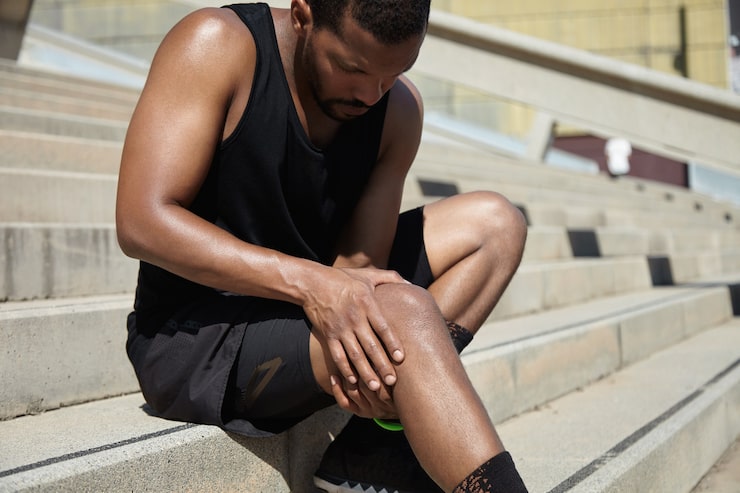
ACL injuries commonly occur due to sudden twisting or pivoting movements, quick changes in direction, or improper landing after a jump. They are often seen in sports like football, basketball, badminton, and cricket. Sudden stops, knee hyperextension, direct impact, falls, or weak thigh and core muscles can also increase the risk of ACL injury.


ACL Injury Physiotherapy Treatment in Bengaluru
What Is ACL Injury?
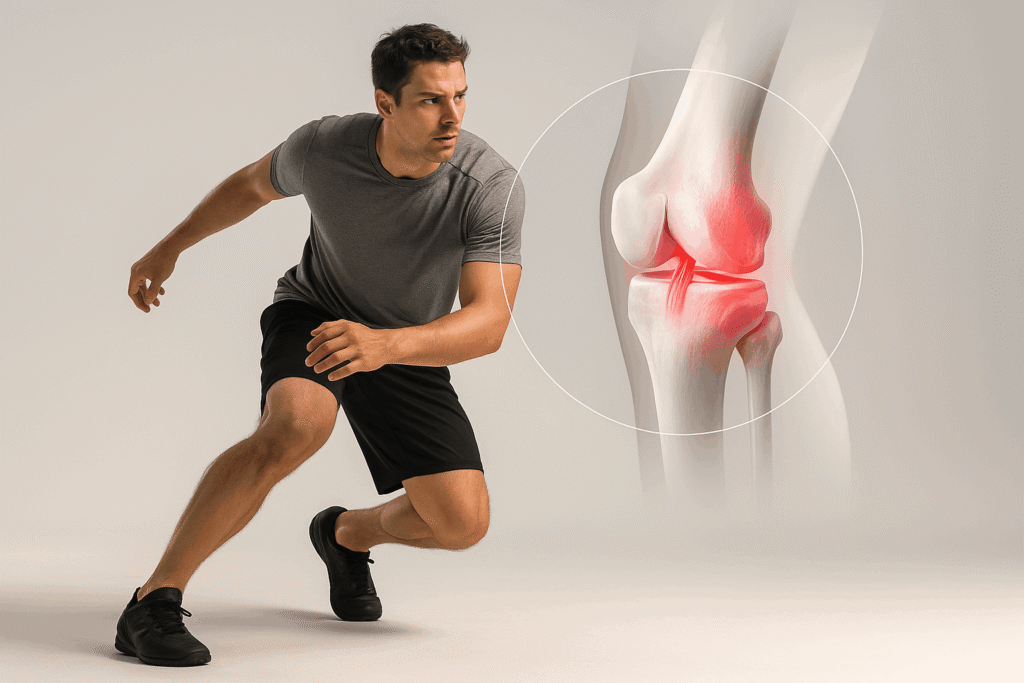
The ACL (Anterior Cruciate Ligament) is a major ligament of the knee that helps maintain stability. An ACL injury occurs when this ligament is stretched or torn, commonly during sports involving sudden direction changes, jumping, or quick stops. It is one of the most common knee ligament injuries.
Not all ACL injuries require surgery. Physiotherapy is often the first line of treatment. At Bone & Joint Physio, Bengaluru, Dr. Kiran provides specialised ACL injury physiotherapy to restore knee strength, stability, and function based on the severity of the injury.
- Grade I: Mild ligament stretch with minimal pain.
- Grade II: Partial ligament tear with some joint looseness.
- Grade III: Complete ligament tear with unstable joint.

Symptoms of ACL Injury
At the time of injury, some individuals may feel or hear a pop in the knee, though this is not experienced by everyone. The symptoms usually appear soon after the injury and may vary in intensity.
- Rapid swelling, often developing within the first day
- Pain around the knee, especially along the joint area
- Restricted knee movement, making bending or straightening difficult
- Difficulty walking or bearing weight, with the knee feeling weak or unstable
Diagnosis of ACL injury
Diagnosis of an ACL injury begins with a detailed knee examination to check for swelling, tenderness, and joint stability. The doctor or physiotherapist will gently move the knee through different positions to assess range of motion and functional stability.
- MRI Scan: Uses advanced imaging to clearly show soft tissues and helps determine the severity and extent of the ACL tear.
- X-ray: Performed to rule out associated bone injuries or fractures around the knee joint.
- Ultrasound: Helps evaluate damage to ligaments, muscles, and tendons within the knee.
Treatment procedures involved in ACL injury
Diagnosis of an ACL injury begins with a detailed knee examination to check for swelling, tenderness, and joint stability. The doctor or physiotherapist will gently move the knee through different positions to assess range of motion and functional stability.
In most cases, physiotherapy is the most effective treatment for ACL injuries. At Bone & Joint Physio, Bengaluru, treatment focuses on reducing pain and swelling, promoting ligament healing, and improving knee stability through targeted strengthening and stretching exercises, helping patients recover safely and often avoid surgery.
- Relieve knee pain and discomfort
- Decrease swelling and inflammation
- Improve knee strength, stability, and alignment
- Restore muscle flexibility and joint movement
- Lower the risk of future ACL injuries
Preventive Interventions
However, accidents are bound to happen but there are many ways by which we can prevent ACL injury. Especially athletes who are at a higher risk of experiencing ACL injury should follow preventive measures to reduce the risk:
- Stretching is best for loosening body ligaments and muscles. Athletes should properly warm up and do stretching to prevent ACL injuries. They should focus on back and front muscles specifically as it will assist them to loosen muscles
- The prime causes of ACL injury are a sudden change in direction or else a sudden slow down or stop a collision or a faulty landing. So athletes should focus on balance to improve and to strengthen the small muscles of ankles, feet knees and legs.
- There are specific types of training like learning pivot properly and jump routines can help an athlete to prevent ACL injuries. These exercises and training are beneficial if started at a young age.
- Women are more prone to ACL injuries than men, and so it is very important for them to build the strength. Athletes specifically women should perform proper exercises to activate the right muscles. They can perform landing drills and jumping squats.